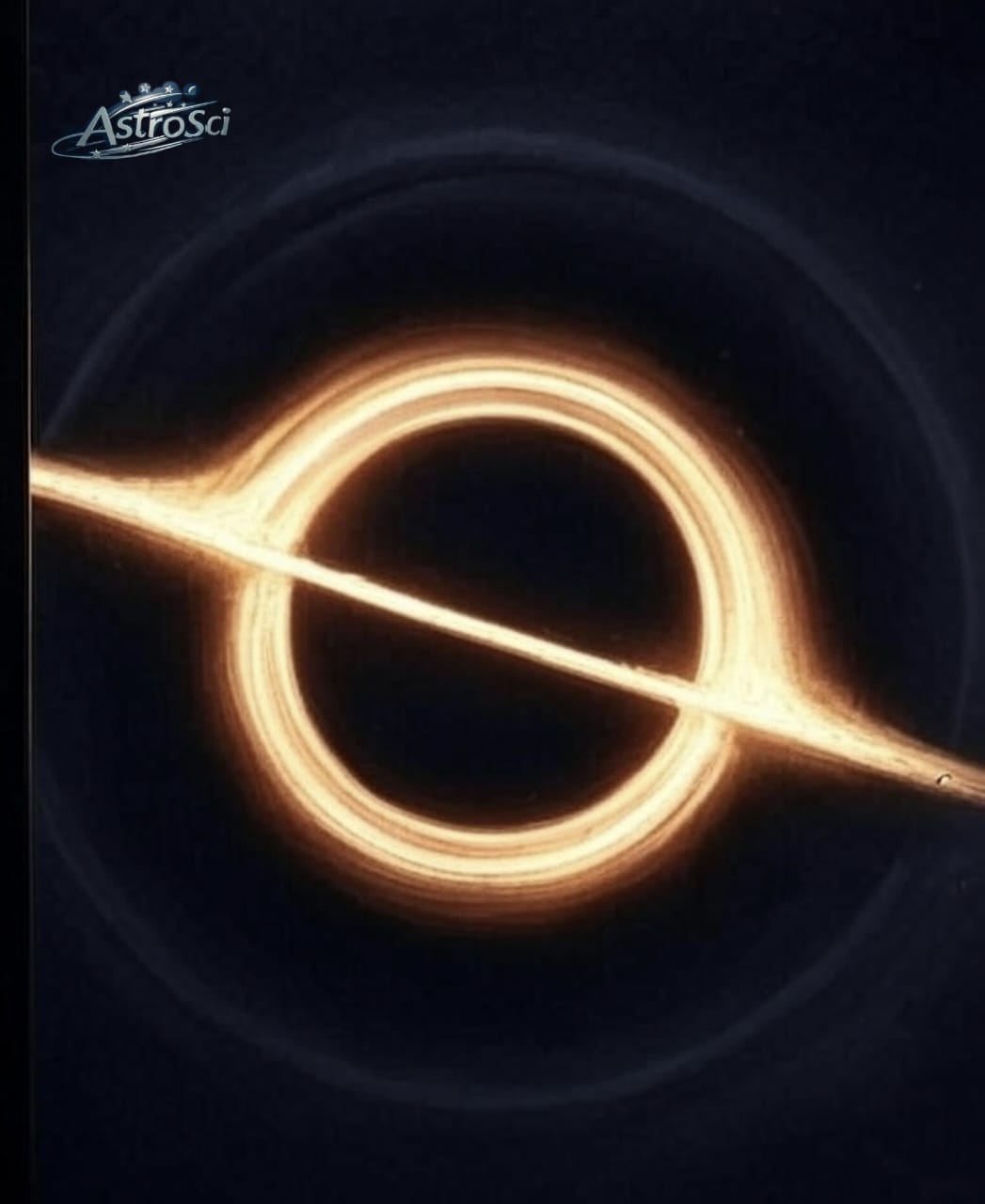
Have you ever wondered what lies beyond the stars—something so mysterious, powerful, and invisible that not even light can escape it? These cosmic enigmas are known as black holes.
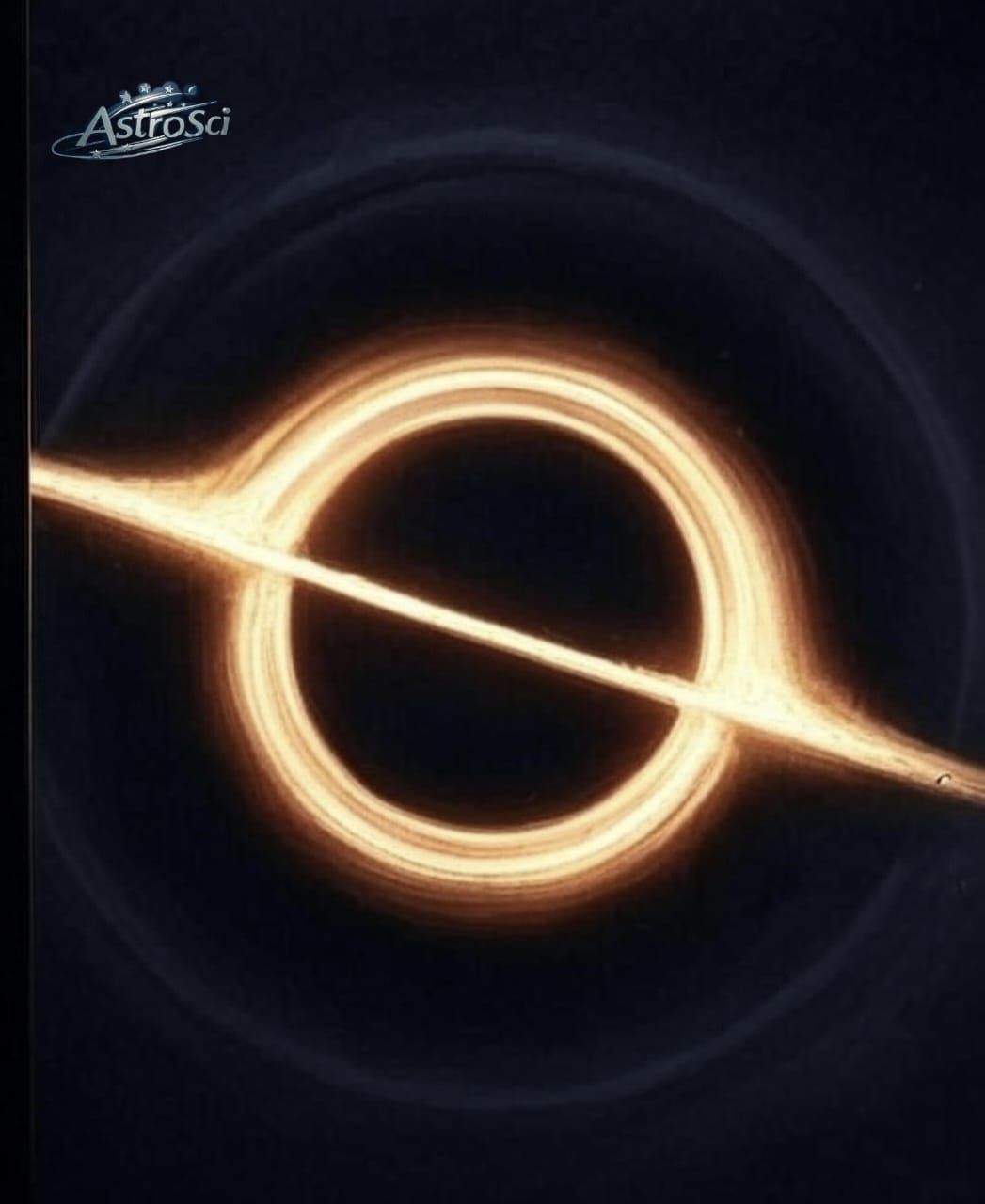
🌑 What Is a Black Hole?
A black hole is a region in space where gravity is so strong that nothing—not even light—can escape from it. This intense gravitational pull happens because a massive amount of matter has been compressed into a very small area. Imagine cramming a star several times more massive than the Sun into a sphere no bigger than a city—that’s how extreme black holes are!
Since no light can escape, black holes appear “black,” making them invisible. Scientists detect them by observing how they affect nearby stars, gas clouds, or light.
—
💥 How Do Black Holes Form?
Black holes can form in several ways, but the most common type, called a stellar black hole, forms through the death of massive stars.
🧬 Step-by-Step Formation Process:
1. A Massive Star Burns Out
A star spends most of its life fusing hydrogen into helium. Once the hydrogen fuel runs out, the core begins to collapse under its own gravity.
2. Supernova Explosion
The outer layers of the star may explode in a massive event called a supernova, one of the most powerful explosions in the universe.
3. Collapse into a Black Hole
If the remaining core is heavy enough (typically more than 2–3 times the mass of the Sun), it collapses into an extremely dense point called a singularity—this is the center of a black hole.
—
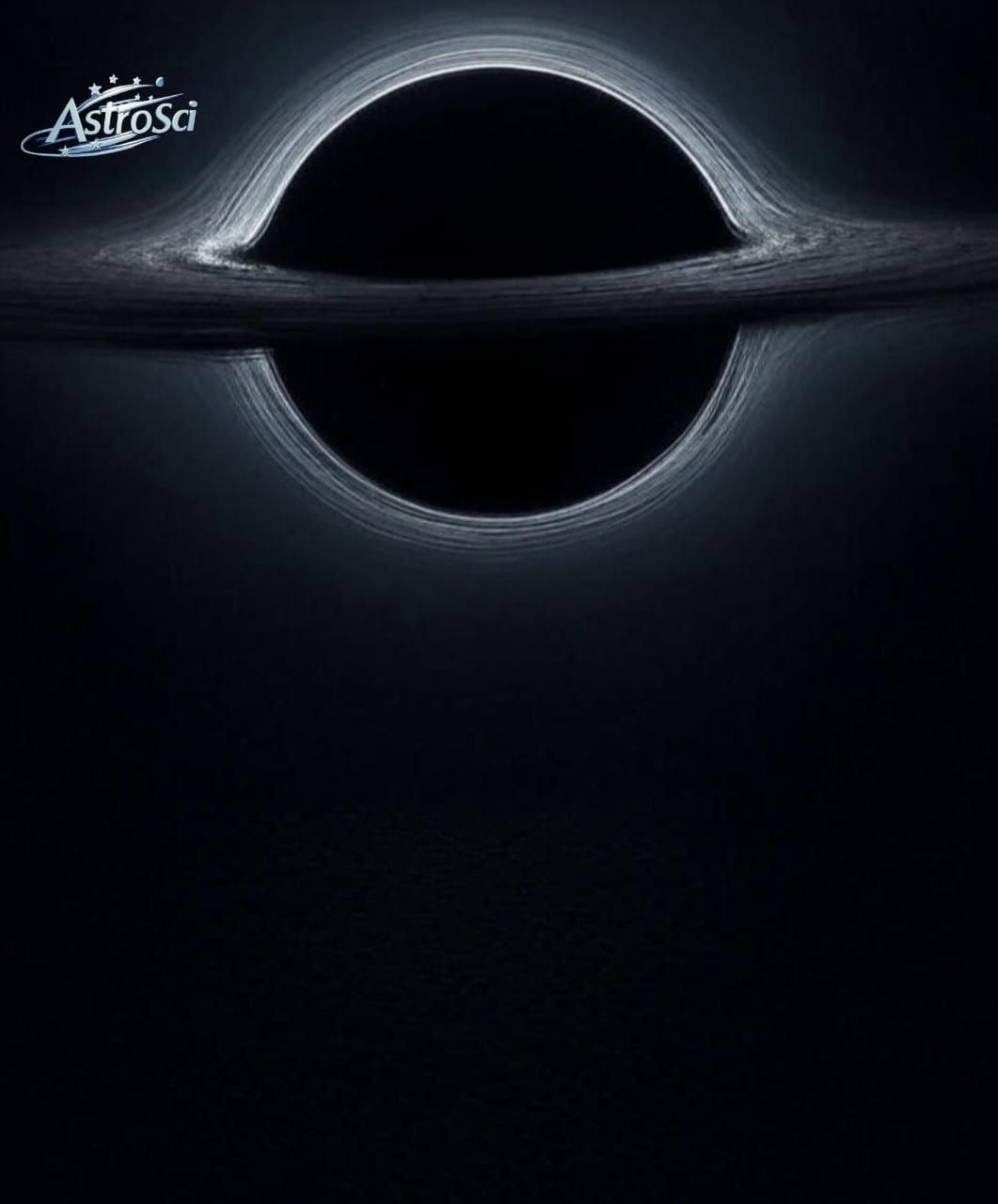
🌀 Types of Black Holes
1. Stellar Black Holes – Formed from collapsing stars.
2. Supermassive Black Holes – Found at the centers of galaxies, including our Milky Way. These contain millions or even billions of times the mass of our Sun.
3. Intermediate Black Holes – A mysterious middle ground, still being studied.
4. Primordial Black Holes – Hypothetical black holes formed just after the Big Bang.
—
🛸 Fun Fact!
There’s a supermassive black hole at the center of our galaxy called Sagittarius A*. It has about 4 million times the mass of our Sun!
—
🔭 Why Do Black Holes Matter?
Black holes help scientists understand:
Gravity at its extreme limits
The life and death of stars
The behavior of time, space, and matter in extreme conditions
They also play a key role in the formation and evolution of galaxies.
—
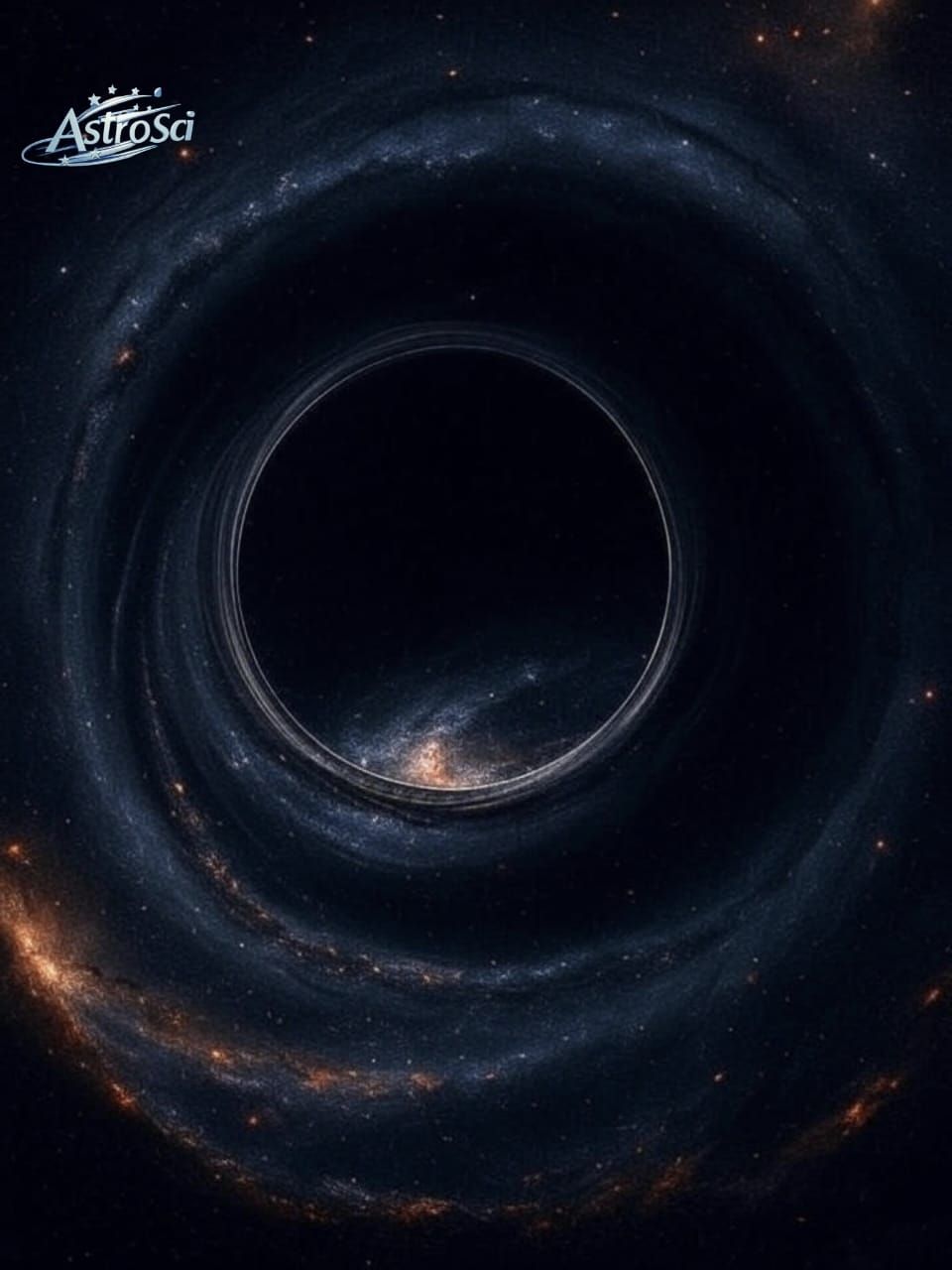
🌠 Final Thoughts
Black holes might sound like science fiction, but they are very real and incredibly fascinating. As technology advances, astronomers continue to uncover new secrets about them, helping us better understand the universe we live in.
—
🪐 Did you enjoy this article? Keep exploring the cosmos with us at MeTooSpace.com!